If you are working with individuals with autism, you might have heard how they benefit from having a “visual schedule and autism” in their lives. That can be at home, school or even in the community.
Visual schedules can have a significant positive impact on individuals with autism. You can learn more about the effectiveness of visual support or visual schedule as an evidence based practice for individuals with autism.
Individuals with autism often thrive on predictability and routine. Visual schedules provide a visual representation of the daily schedule, helping individuals understand what to expect and when. This predictability can reduce anxiety and increase a sense of security.

Transitions between activities or environments can be challenging for individuals with autism. Visual schedules help individuals anticipate and prepare for transitions by visually representing the sequence of activities. This visual support promotes smoother transitions and supports flexibility in adapting to changes in the schedule.
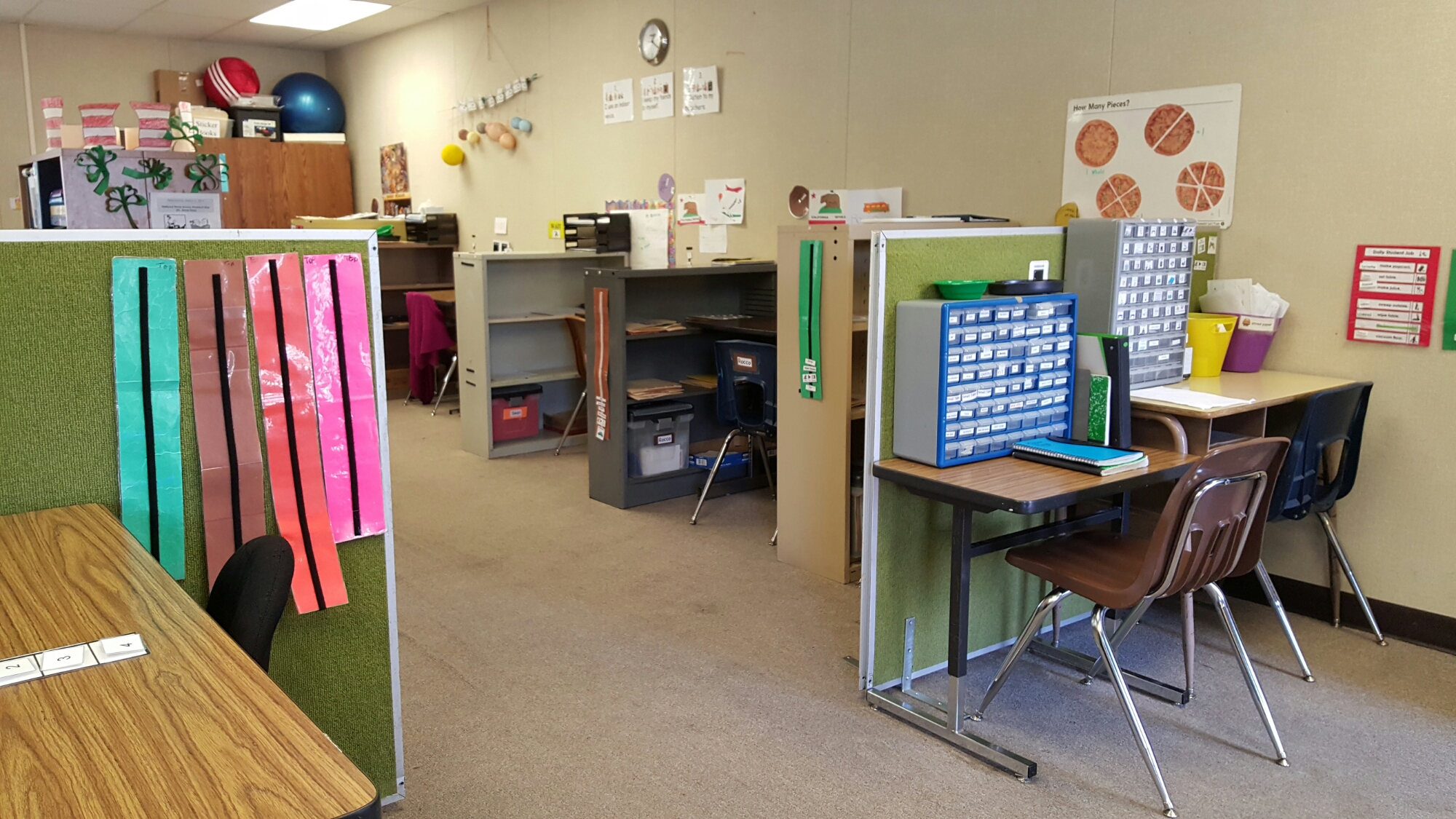
Visual schedules empower individuals with autism to take ownership of their daily activities. By following the visual schedule independently, individuals can manage their time and tasks more effectively, leading to increased independence and self-regulation.
Visual schedule and autism can help reduce anxiety and prevent challenging behaviors that may arise due to uncertainty or frustration. By providing a clear visual representation of the schedule, individuals with autism have a better understanding of what is expected, reducing stress and promoting positive behavior.
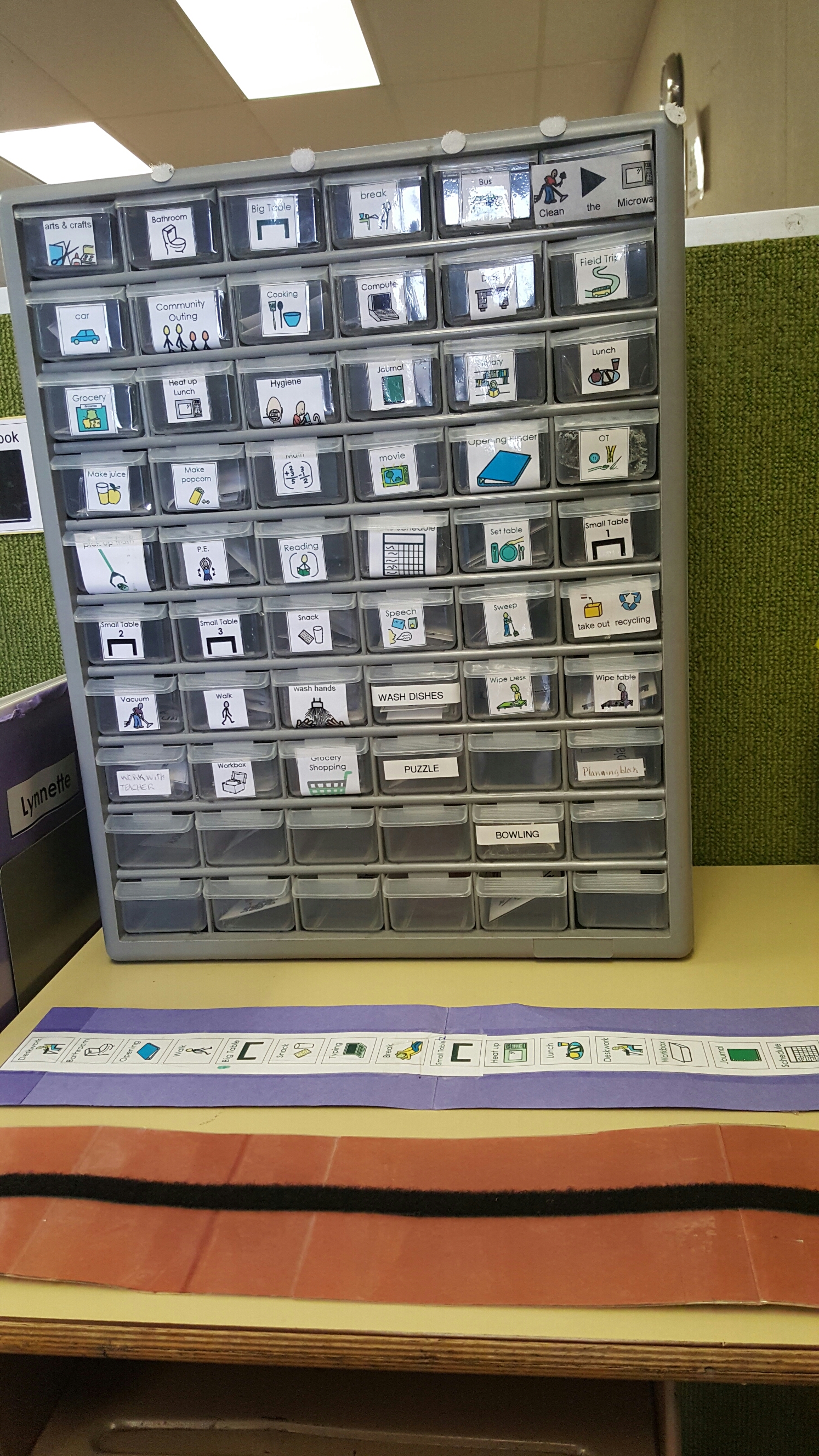
Individuals with autism may struggle with task completion and organization skills. Visual schedules break down tasks into smaller, manageable steps, making it easier for individuals to understand and complete each step. This visual support promotes task completion and organization skills.
Visual schedules can be utilized to teach and reinforce daily living skills, such as personal hygiene routines, chores, or mealtime routines. Individuals with autism can refer to the visual schedule to guide them through each step, promoting independence in these essential life skills.
It’s important to note that visual schedules should be individualized and adapted to meet the specific needs and preferences of each individual with autism.
Visual Schedule for Students with Autism
My students with autism greatly benefit from having their own individualized schedule to support their transitions through the day. When I counted out, most of my students transition between activities 20 or more times a day. For example, circle time to snack, snack to recess, recess to desk work, etc. A schedule gives a clear expectation of the day and a way to visualize his or her day as a whole.
Schedules can come in many different formats. They may be real objects (e.g., spoon for snack), picture icons with or without the word, and word icon. For some students, they may be able to carry around their schedule on the binder, clipboard or notebook.





 Everyday Teaching Autism Resources
Leave a reply to 10 Tips for Middle School Autism Program – Everyday Teaching Autism Resources Cancel reply