
Designing a program for middle school autism program requires careful consideration of their unique needs and abilities. Here are some key elements to include in a middle school autism program:
1. Individualized Education Plans (IEPs): Each student should have an IEP that outlines their specific goals, accommodations, and modifications. Collaborate with parents, special education staff, and therapists to create and review these plans regularly.
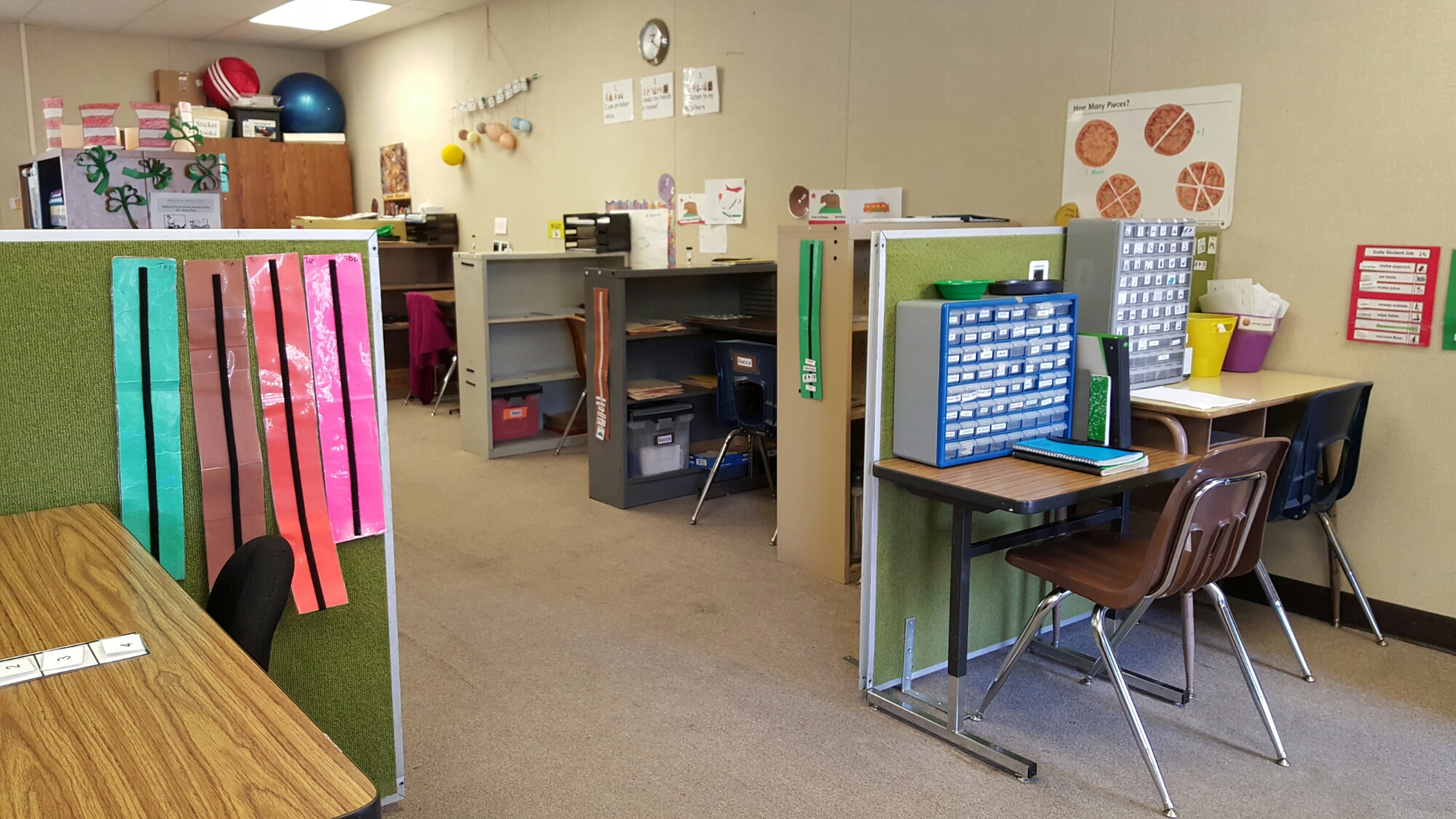
2. Structured Environment: Establish a structured and predictable classroom environment to provide a sense of stability for students with autism. Use visual schedules, visual cues, and consistent routines to help students understand expectations and transitions.
3. Social Skills Training: Focus on teaching and reinforcing social skills through explicit instruction and targeted interventions. Use social stories, role-playing, and group activities to help students understand social cues, perspective-taking, and appropriate social interactions.
4. Communication Support: Implement strategies to support communication skills, recognizing that students with autism may have different communication needs. Use visual supports such as visual schedules, communication boards, or augmentative and alternative communication (AAC) systems as appropriate.
5. Sensory Integration: Consider sensory needs and create a sensory-friendly environment. Provide sensory breaks or a designated sensory area where students can regulate their sensory input. Collaborate with occupational therapists to implement sensory strategies and accommodations.
6. Functional Life Skills: Incorporate practical life skills training into the curriculum, including self-care, hygiene, money management, time management, and organization skills.
Autism Visual Schedule Template Free Download
Teach skills in a functional and meaningful way, using real-life situations and community-based instruction.

7. Differentiated Instruction: Adapt instruction to meet the diverse learning styles and abilities of students with autism. Use visual supports, hands-on activities, technology tools, and multi-sensory approaches to enhance learning and engagement.
8. Collaboration and Support: Foster collaboration and communication among the school team, including teachers, paraprofessionals, therapists, and support staff. Regularly share information, strategies, and progress to ensure a consistent and coordinated approach.
9. Transition Planning: Begin preparing students for the transition to high school and post-secondary life. Introduce career exploration, vocational skills, and independent living skills. Collaborate with the student’s IEP team and families to develop transition plans and set appropriate goals.
10. Parent and Community Involvement: Encourage parental involvement and establish open lines of communication with families. Provide resources, workshops, and support for parents to enhance their understanding of autism and strategies they can implement at home.
Remember that individual students may have specific needs and strengths, so it’s crucial to tailor the program to meet their unique requirements. Regular assessment and ongoing collaboration with families and professionals will help ensure the program’s effectiveness and promote the success of students in the middle school autism program.
Teaching Middle School Autism Program
Daily snack activity is a great time to teach many different skills since most of my students are highly motivated and engaged around food in the middle school autism program.
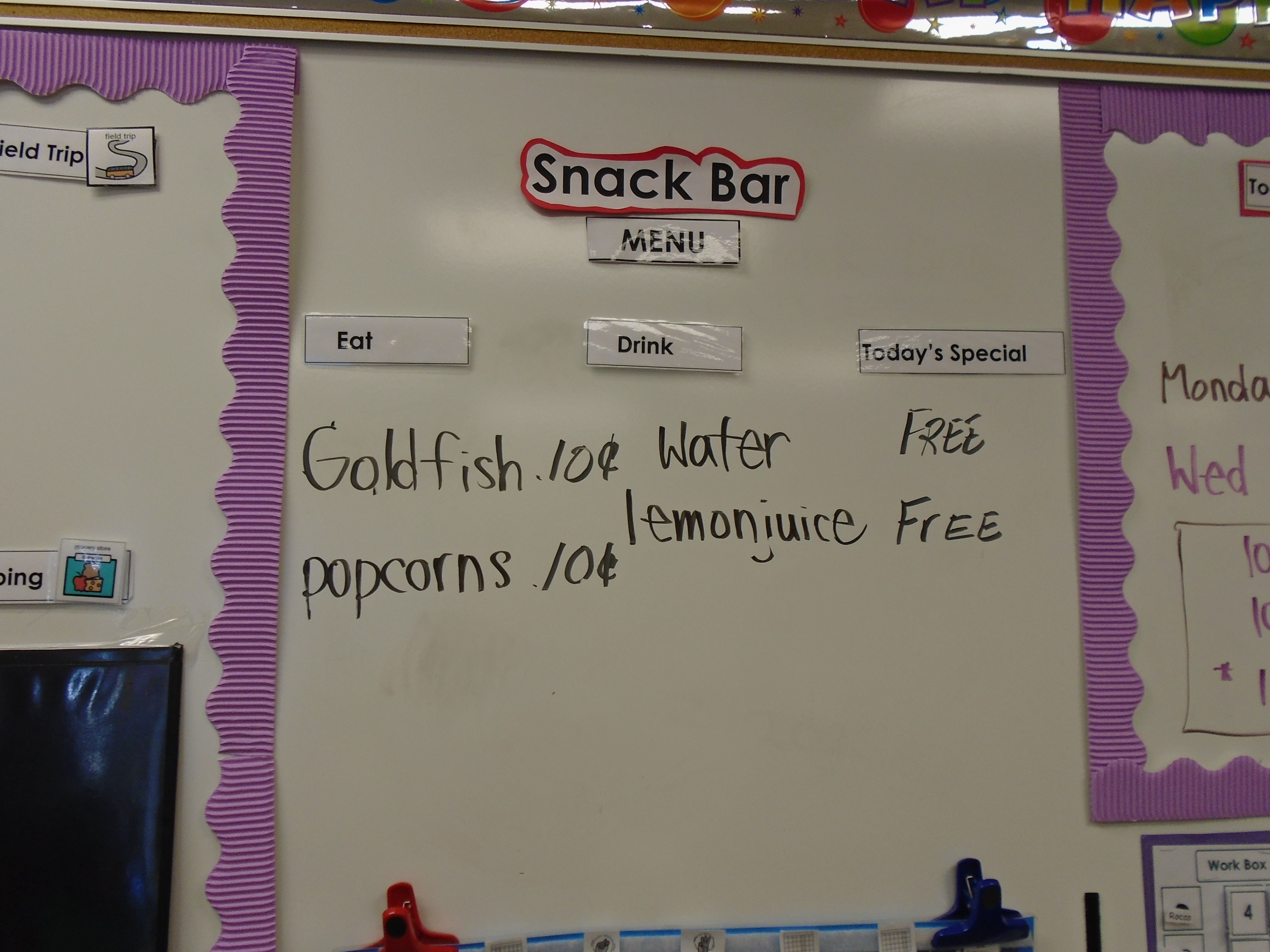
During this activity, we have focused on many different skills including:
- Functional words (i.e., food) by reading a menu
- Names and values of money concept by pretending to buy items and getting changes
- Basic social skills like waiting, turn-taking, etc.
- Basic verbal behavior training such as manding, tacting, and interverbal skills
- Picture exchange communication for PECS users
- Daily living skills including prepping snacks, making popcorn, and cleaning up with visual support
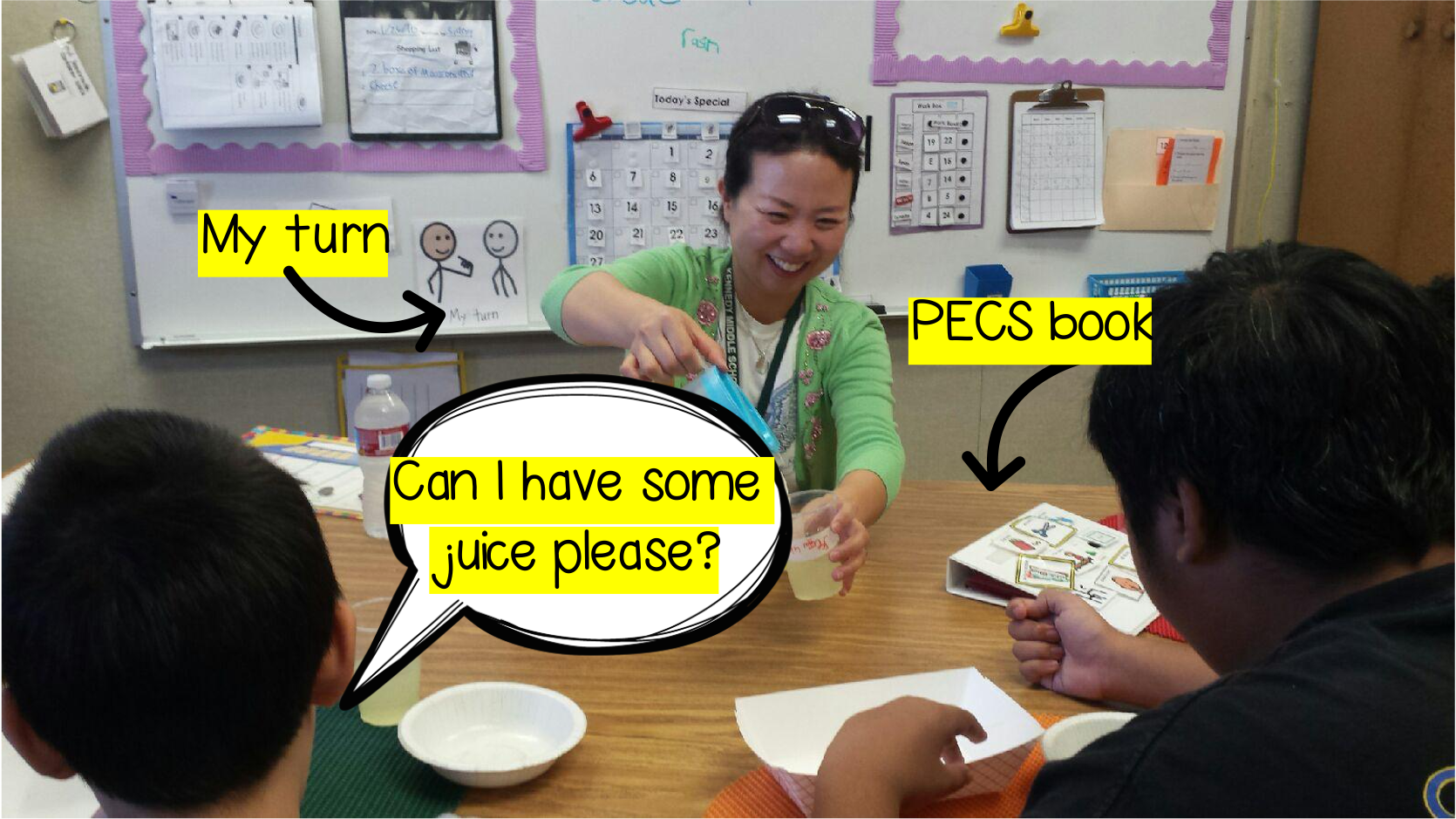
In the more inclusive school settings, snacks and lunchtime can be great times to mingle with peers on campus working on social skills. Regardless of the settings for the middle school autism program, don’t pour out the half bag of popcorn into your student’s plate! Make each moment a teaching moment!




 Everyday Teaching Autism Resources
Leave a comment