Hygiene Life Skills Lessons and Special Education
Teaching personal hygiene is one of the most important life skills in middle and high school life skills classes and special education. These are a set of hygiene skills worksheets. The goals will be teaching the importance of personal hygiene (e.g., to keep us safe from germs) and its social implications (e.g., how others would think about me when I do or don’t…).

Your children, students, and loved ones’ hygiene habits have an impact on their overall health. It is important to teach them good habits from the start. Furthermore, maintaining good hygiene brings social implications which might be complex for many students and adolescents with autism to understand. This is the reason that we have to bring explicit teaching plans when it comes to the topic.
In Hygiene and Life Skills lesson plans, there are 5 big topics to cover:
- What is good hygiene?
- What is good oral hygiene?
- What is socially appropriate picking behavior (habit)
- When and where is O.K. to fart or burp?
- My body changes
Kids need to learn good hygiene habits early in life so that they can avoid getting sick. As they get older, it is more important to maintain this good hygiene habit. However, it seems that many individuals with autism have difficulty maintaining good hygiene habits and understanding how this failing impacts their relationships with others.
What is Good Hygiene?
Good hygiene includes washing hands with soap before eating, after using the bathroom, and after touching anything else. It also means not sharing personal items like toothbrushes, razors, etc. Knowing these hygiene products can be the first step in this chapter. Next, I bought the perspective-taking exercises with my class thinking about…when I have dirty hair, what would others think about me?
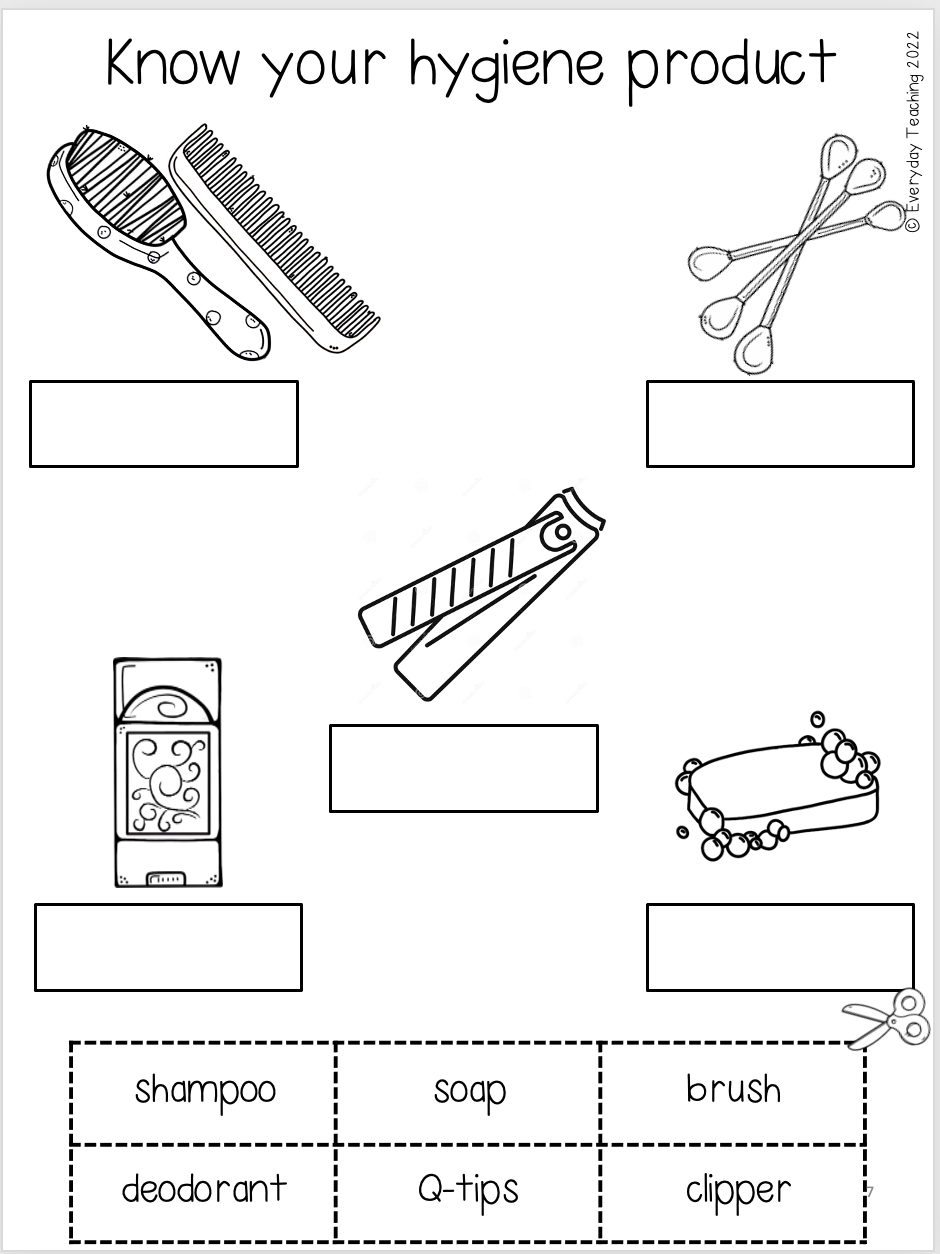
Same to the overall hygiene lessons above….good oral hygiene starts at home. Teach your children proper handwashing techniques and encourage them to brush their teeth twice daily. You should also make sure they use fluoride toothpaste and floss regularly. This habit will prevent them from having tooth infections and cavities early on. It’s a lifelong habit to stay healthy. Again, my lesson would include a perspective-taking exercise. Do people like to hang out with someone having such bad breath all the time?
What is Socially O.K. Picking Behavior?
It’s totally natural people pick their noses and get bothered by the pimple on their foreheads. You feel the urge to pick it. Then, we have to stop and think if that’s a good idea to do.
Picking your nose with a finger might bring tons of germs to your fingertip and spread to others. Also, people around you might have weird thoughts about you. It’s about safe hygiene habits and social implications.

If you’re looking for ways to improve your child’s hygiene habits and practice their social implications, try my new hygiene life skills workbook. This will guide you with tons of activities and visuals to understand what do to and where to do it.
These are appropriate hygiene skills topics to cover for middle and high school students who need clear, step-by-step instructions with hygiene skills worksheets. My autism program enjoys this series of lessons every year.
More things to read from Kids Health. ORG




 Everyday Teaching Autism Resources
Leave a comment