
Many parents and other teachers ask me how to teach math to my students with autism in special education classroom. My response goes back to them asking:
Why is it not easy for students with autism to follow the math curriculum in the general education classroom?
Many teachers and parents would blame students’ attention, engagement, and behavior issues when it comes to learning academic contents in class. I also hear the common assumption that they DO NOT understand the contents due to the level of difficulties or complexities of the concept. Is that true? As a special education teacher and board-certified behavior analyst, I do not entirely agree with this notion. I would rather want us to think about the teaching methods of ours.

Each student or child with autism displays his or her unique learning style. That is one of the reasons they would need an individualized educational program. We would also use the terms like visual learners, tactile learners, or auditory learners, etc. to describe the different learning styles of them.
How to Teach Math in Special Education Classrooms
In my classroom with students with autism, I utilize the TEACCH principles every where. It includes physical and visual environmental components as well as learning materials for my students.
Are they visually clear enough for the learners to grasp the concept? Are there any distracting visuals aside from the core teaching stimuli? These are simple ways I take when teaching math to young students with autism and related challenges.
1. Introduce numbers in a structured way utilizing visuals, and consistent verbal cues
2. Systematically teach in a carefully designed sequence
3. Model/rehearse/prompt/do it again
4. Always allow opportunities to learn grade-level appropriate skills like time, money, geometry, etc.

Over the past years, I found that most of our students benefit from explicit teaching of concepts and procedures with a structure.
Download free simple math worksheets
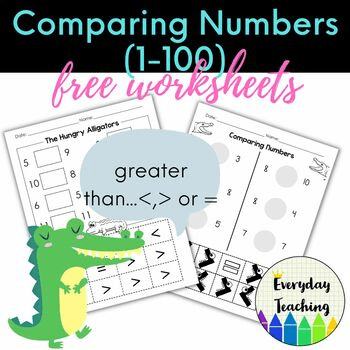
It is often the case a teacher in the most general education classroom would bring a lesson plan to teach a full of class. Some good teachers put aside extra time to develop differentiated work materials for the students with some help. However, those who need more individualized attention and highly structured work materials may not be able to access the learning opportunities in timely manner in such a fast pacing classroom dynamic. If a student do not respond to one way of teaching (e.g., ten frame, blocks, etc.), it should be carefully examined and teacher should introduce different strategies that make sense to an individual. That is what we call it the specialized academic instruction.





 Everyday Teaching Autism Resources
Leave a comment