
Designing a curriculum for students with autism in special education requires a tailored approach that considers their unique learning styles, strengths, and challenges. There can be many areas of goal focus for our students with autism in the elementary level. Here’s a general framework for creating a reading and math curriculum for students with autism:
- Individualized Education Program (IEP) Development:
- Start by assessing each student’s strengths, weaknesses, and individual learning needs through thorough evaluations and observations.
- Develop an Individualized Education Program (IEP) tailored to each student’s needs, including specific goals, objectives, accommodations, and support services.
- Structured Teaching Methods:
- Utilize structured teaching methods such as TEACCH (Treatment and Education of Autistic and related Communication handicapped CHildren) to provide clear routines, visual supports, and organization in both reading and math instruction.
- Use visual schedules, task analysis, and visual supports to help students understand expectations and navigate through learning activities.
- Multi-Sensory Approach:
- Incorporate multi-sensory teaching techniques to engage students with autism in reading and math. This might include using manipulatives, hands-on activities, and sensory materials to reinforce concepts.
- For example, use tactile letters or number blocks for hands-on exploration in math, or incorporate sensory stories for reading comprehension.
- Visual Supports for Reading:
- Use visual supports such as picture schedules, graphic organizers, and social stories to aid in reading comprehension.
- Break down reading tasks into manageable steps, and use visual cues to help students understand and follow instructions.
- Structured Literacy Instruction:
- Provide structured literacy instruction focusing on phonemic awareness, phonics, fluency, vocabulary, and comprehension.
- Use evidence-based programs tailored to the needs of students with autism, such as Orton-Gillingham, Wilson Reading System or Lindamood-Bell programs.
- If those above don’t work, try alternate reading program to focus on strength of our students (visual learners!!! )
- Adapted Math Curriculum:
- Adapt math curriculum to match students’ developmental levels and learning styles.
- Provide concrete examples, real-life applications, and visual representations to support understanding of mathematical concepts.
- Break down math tasks into smaller steps, and use visual aids such as number lines, manipulatives, and charts to reinforce learning.
- Social Skills Integration:
- Integrate social skills instruction into reading and math activities, focusing on peer interaction, collaboration, and communication.
- Use cooperative learning activities and peer tutoring to promote social interaction and teamwork.
- Continuous Assessment and Progress Monitoring:
- Regularly assess students’ progress in reading and math using a variety of tools and methods.
- Adjust instruction and interventions based on ongoing assessment data to ensure continuous growth and achievement.
- Collaboration and Communication:
- Foster collaboration and communication among special education teachers, general education teachers, related service providers, and parents to support student learning and development.
- Regularly communicate with parents to provide updates on students’ progress, share strategies for reinforcement at home, and solicit feedback on the effectiveness of interventions.
- Professional Development:
- Provide ongoing professional development and training for educators working with students with autism to enhance their knowledge and skills in implementing evidence-based practices in reading and math instruction.
By following these guidelines and tailoring instruction to meet the unique needs of students with autism, educators can create effective reading and math curricula that support their learning and development.
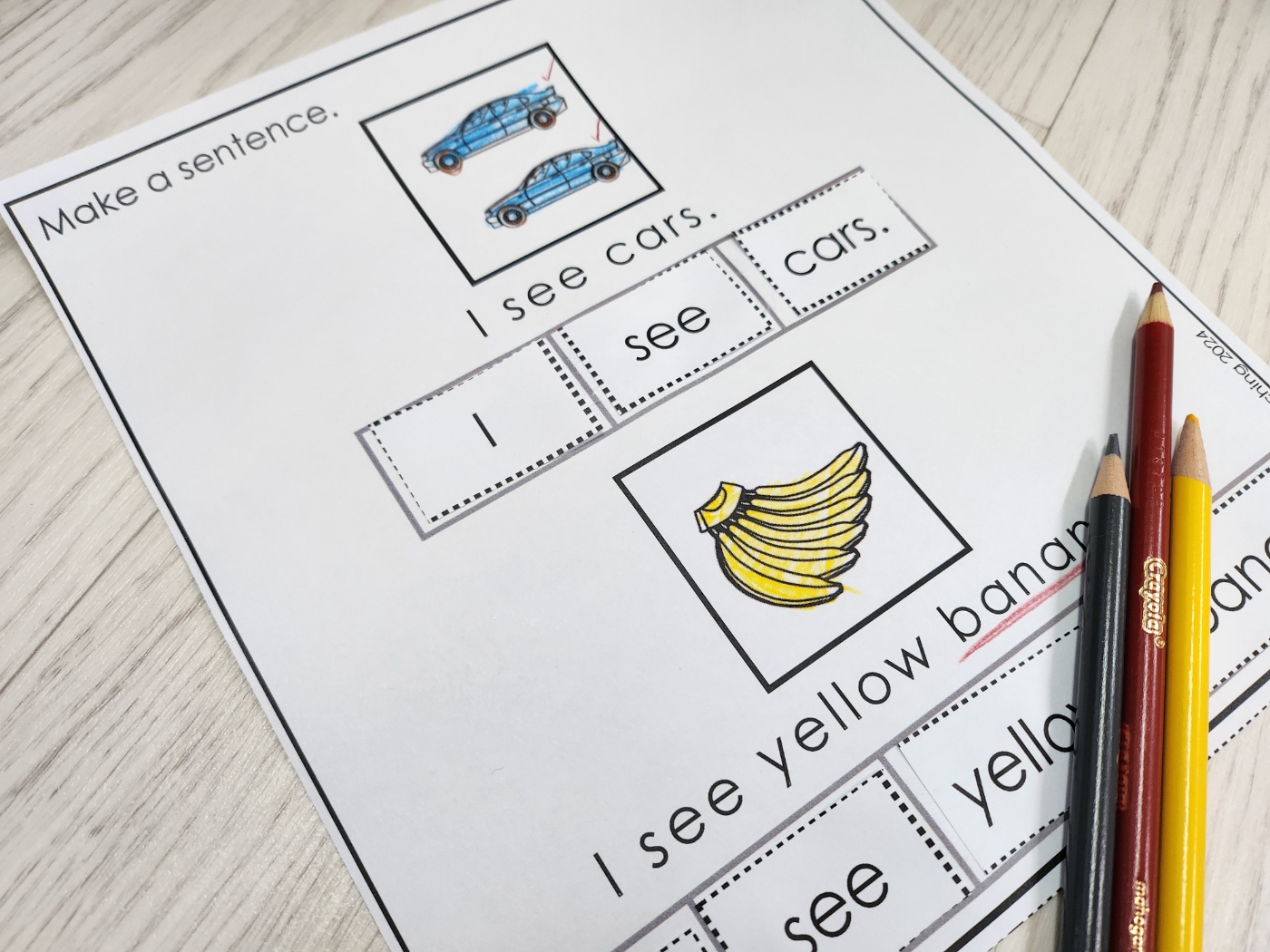
Try these curriculum resources that have been used for the last 5 years in my classroom- They are super engaging!




 Everyday Teaching Autism Resources
Leave a comment