
Summer is here! I know many school is out for the summer break.

Many bay area public schools are out from the beginning of June to the middle of August. It is a big chunk of time of blessing for some families who love travel the world as a family. However, it can be a difficult time for many families with a special needs child. Honestly, it must be almost impossible to structure the day and keep the child busy in the routines like how the regular school year is. If both parents have to work during summer, it is even harder. When I worked with these families during summer break as a home ABA program supervisor, I had seen the challenges with the working parents.
Luckily, many of public schools offer 4 weeks of extended school year or summer school for students who need continuity of learning during the break and extra catching up work in social emotional and academics. Even though it is often a half day deal, parents would love to take this opportunity for their own child.
What are some benefits of Summer School (Extended School Year) for Students with Special Needs?
1.Continuity of Learning: Special education summer programs help prevent learning loss during extended breaks, such as summer vacations. Students with special needs often require additional time and support to reinforce skills and concepts learned during the academic year. By participating in a summer program, they can maintain and build upon their progress, minimizing regression and bridging the gap between school years.
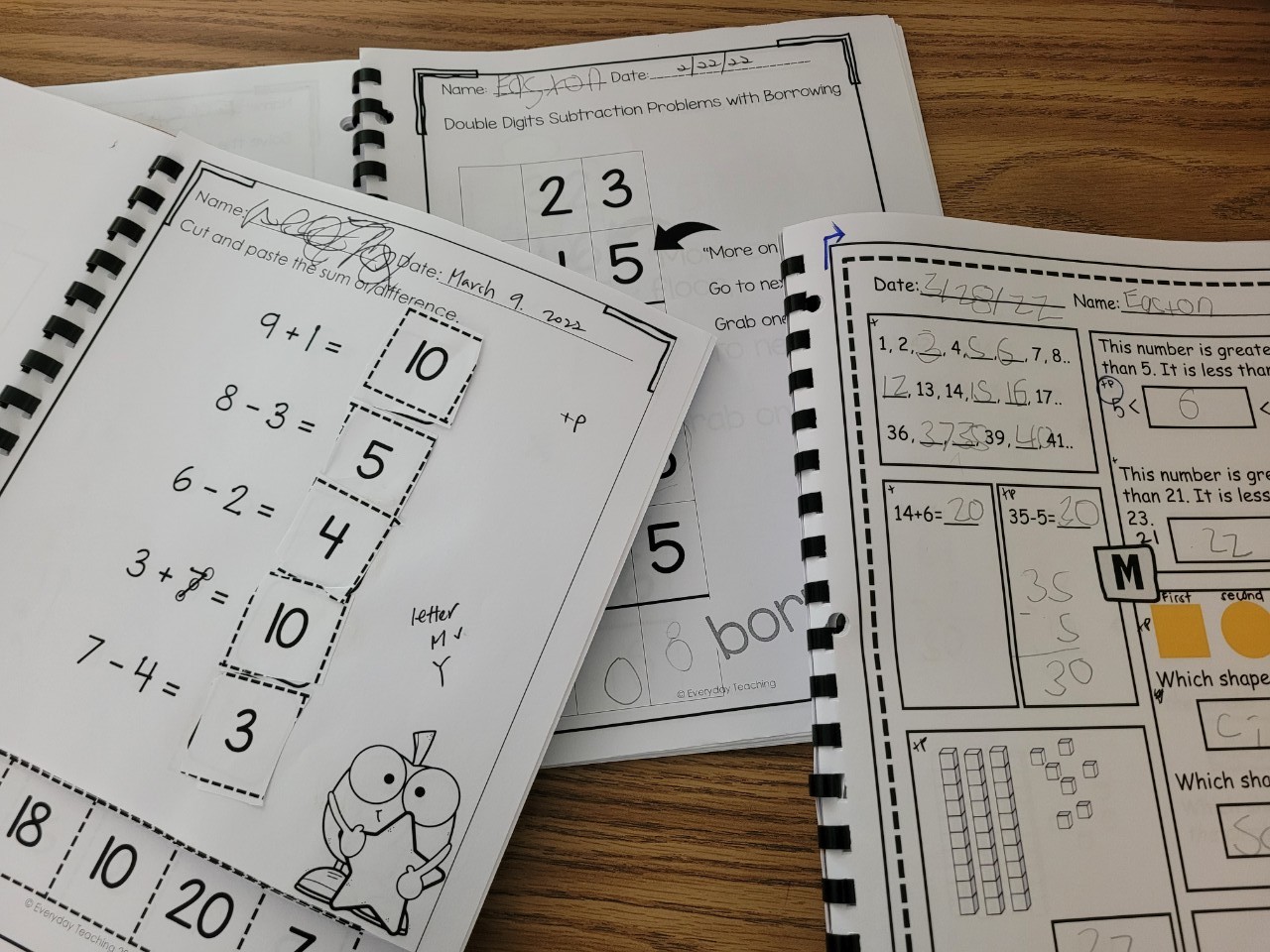
2.Individualized Instruction: Special education summer programs are designed to meet the unique needs of students with disabilities. These programs offer individualized instruction and support tailored to each student’s specific learning goals and challenges. Teachers and specialists can provide targeted interventions, strategies, and accommodations to promote academic and social-emotional growth.

3. Skill Development: Summer programs provide opportunities for students with special needs to focus on developing essential skills, such as reading, writing, mathematics, communication, socialization, and self-care. These programs often employ specialized teaching methods and therapeutic approaches to address specific learning disabilities, developmental delays, or behavioral issues.
4. Socialization and Peer Interaction: Many special education summer programs incorporate social activities and opportunities for students to interact with their peers. Socialization is a crucial aspect of a child’s development, and summer programs can help students with disabilities practice social skills, build friendships, and improve their overall social competence in a supportive and inclusive environment.

5. Transition Support: For students transitioning between grade levels, schools, or educational settings, summer programs can play a vital role in facilitating a smooth transition. These programs may focus on preparing students for the changes they will experience in the upcoming academic year, helping them adjust to new routines, expectations, and educational environments.

6. Parental Support: Special education summer programs can provide much-needed respite and support for parents and caregivers. It can be challenging for families to meet the unique needs of children with disabilities, and summer programs can offer a structured and supervised environment where their child can continue learning and receive specialized care while parents can attend to other responsibilities or simply take a break.

Overall, special education summer programs help promote educational equity, prevent learning regression, foster skill development, facilitate socialization, support transitions, and provide valuable support to students with special needs and their families.





 Everyday Teaching Autism Resources
Leave a comment