Circle time is an invaluable tool for success in autism special education programs! Find out how to maximize engagement, create positive interaction, and plan meaningful activities through this guide.
What is Circle Time?
Circle Time is a small group activity to work on social skills (e.g., turn-taking, waiting, answering simple questions, etc.). It allows the group of students to build their own community by attending at one place at the designated time of the day. Learners also practice basic calendar, time skills, and weather concepts. It helps set the tone for our learners and my day.
Circle time is a key part of special education for students on the autism spectrum. It offers multiple opportunities to engage and interact with peers, practice social skills, develop communication strategies, and build self-regulation. With this guide, you will learn how to set up meaningful circle times that enable success in your classroom.
Establish Ground Rules & Set Expectations
Before beginning any circle time activity, it’s important to establish expectations and ground rules for group behavior. This will ensure that all students feel safe, respected, and ready to participate. Ground rules could include statements such as “listen respectfully when others are talking” or “raise your hand if you want to contribute.” Additionally, through expectations such as acknowledging everyone in the circle or setting a timer for how long each student speaks can help create a positive learning environment.
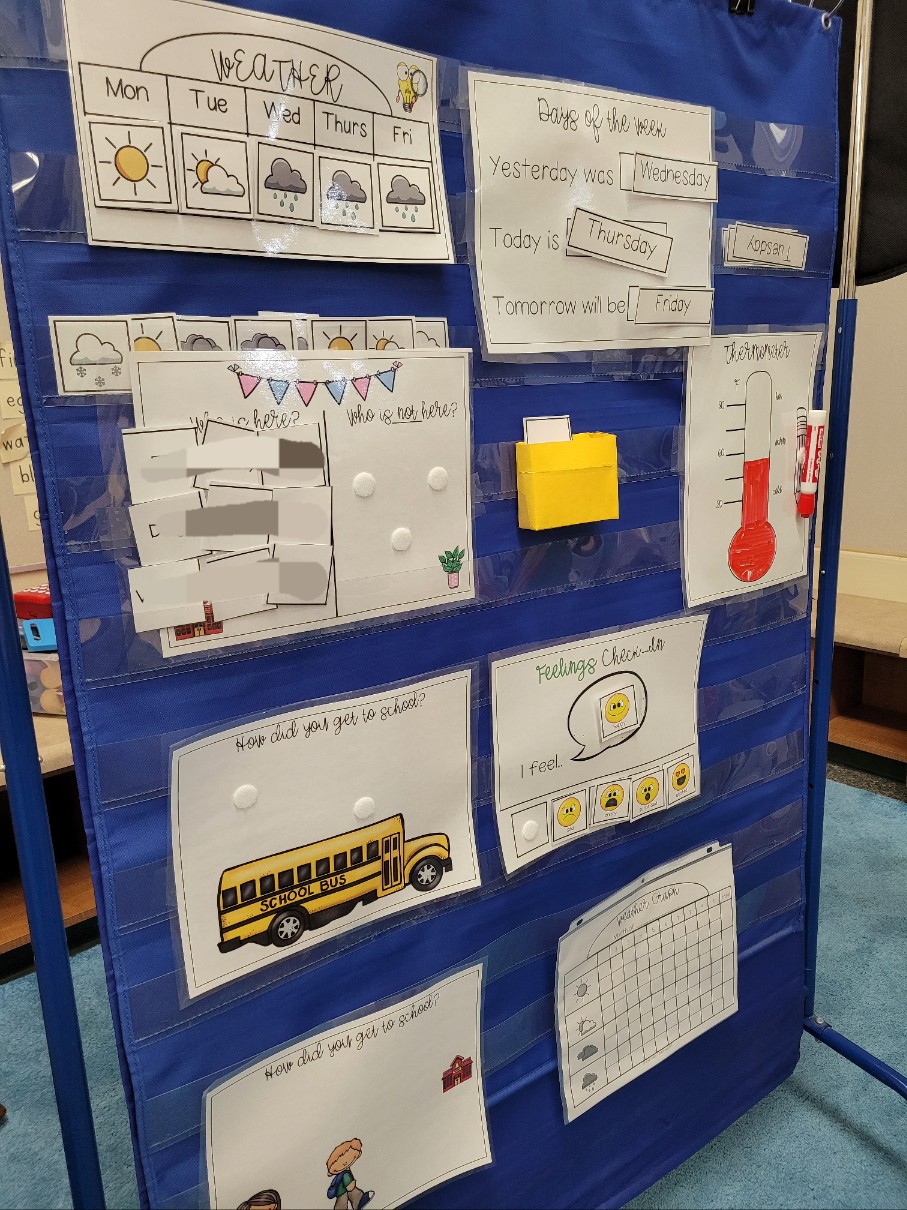
Just like any other lesson planning, I always plan ahead what activities I am going to do each day- and how to interact with my non-vocal learners utilizing various visual support. Depending upon this plan, my visuals may look different. For example, they can write their names to report on the attendance sheet or place their names in a field. To make this moveable and ensure durability, laminating your visuals can be a great idea.
Adopt Structured Schedules & Circle Routines
Structure and consistency can make a real difference for students in special education classrooms. By incorporating circle time into the daily schedule, students will become familiar with the expectations of this activity and have a sense of security when participating. Additionally, by creating a consistent routine for when circle time occurs should be incorporated to facilitate successful group interaction. This could include assignments such as singing songs together or developing short stories as a group before closing out each session.
Utilize Visual Supports & Reinforcement Tools
Visual support systems are an essential part of maintaining and developing social behaviors in special education classrooms. Incorporating visuals and materials that can be used as tangible reminders to reinforce expected behaviors, such as materials with rules written on them, will help individuals to remember what is expected in a more efficient manner. Additionally, providing tokens or other rewards for appropriate behavior (e.g., stickers) can further increase the likelihood of positive interactions during circle time activities.
Some of the activities you can include in your circle time can be:
- Greeting
- Attendance (who is here)
- Days of the week & Calendar
- How do you get to school?
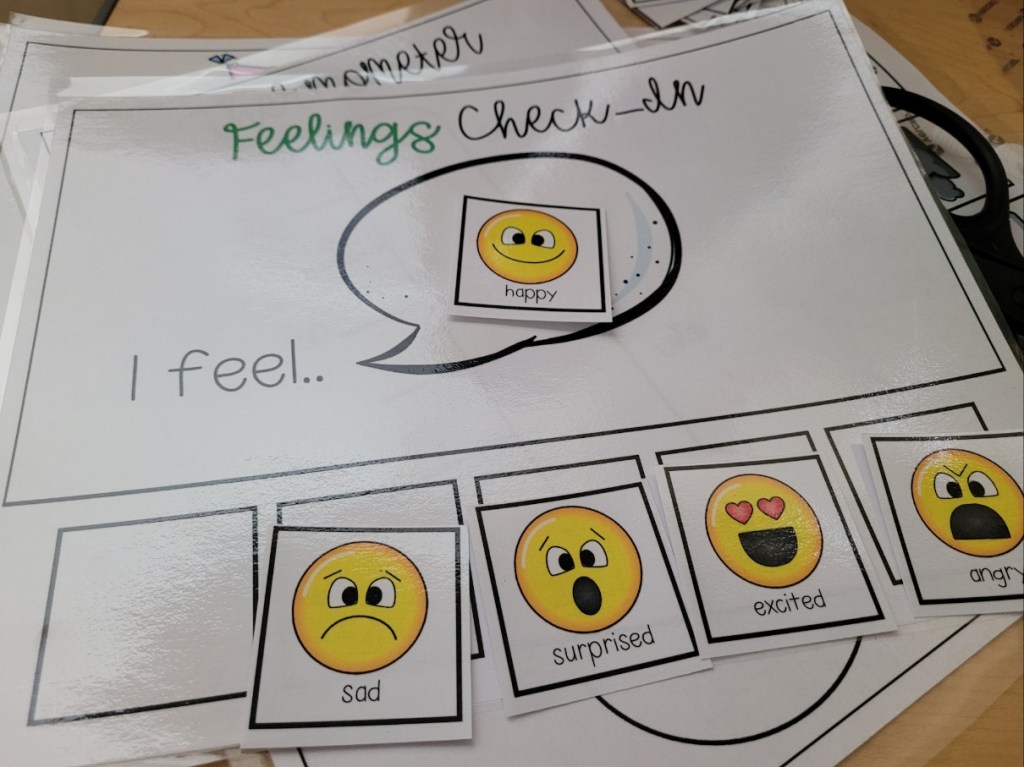
- Feelings Check-in
- Weather
Offer Choice-Making Opportunities to Establish Positive Consequences
Give the student a sense of ownership in the circle by creating a variety of choice-making opportunities. Let them choose from different activities and rewards (depending on their ability level), rather than just providing tasks that they must complete. This serves two important functions: first, it helps to increase intrinsic motivation by engaging the student in meaningful decision-making; second, it will likely increase positive behaviors due to increased perceived consequences. Offer praise and tangible rewards such as requested toys and activities when choices are made successfully or appropriate behaviors are observed during circle time.




 Everyday Teaching Autism Resources
Leave a comment