“Without data, you’re just another person with an opinion” by W. Edwards Deming
I felt that I have created so many data sheets targeting very different behavior throughout the year. Today, I finally compile them into categories and sort them out.
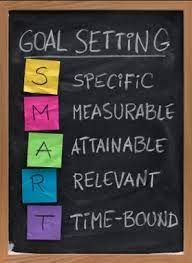
Some are for tracking academic goals and objectives in the educational program. IEP goals are written in a SMART format- right? That means teachers need to equip with a good data collection system to monitor these measurable and attainable goals throughout their teaching.
If you are an aba therapist or special education teacher, these ABA data sheets will perfectly suit your needs. Something easy to start with. I like to make them as easy as possible for my staff to utilize without consistent prompting.

Data Sheet Example
Here are some of the data sheets that I utizlie a lot in my program. ABC data sheet and Frequency data sheet are the most popular ones to track both desirable and undesirable behavior. ABA latency data sheet is to measure how quickly a child/student or loves one starts engaging in the expected behavior.
Don’t forget the Toilet Training data sheet with baseline and sequence. If a child has a toilet training goal, the program has to equip a good data collection system to measure the progress and adhere to the protocol. Also, it’s important to decide where to place the data sheet. Are you going to place them in the bathroom, so it’s super convenient for staff to grab and mark them?
Simple home and school communication notes (Home notes) can be utilized to support communication between home and school. A child can self-monitor his own behavior throughout the behavior and mark it on the sheet.
For academics data sheets, I have created many different kinds- it’s just because my students have various IEP goals and skill levels.
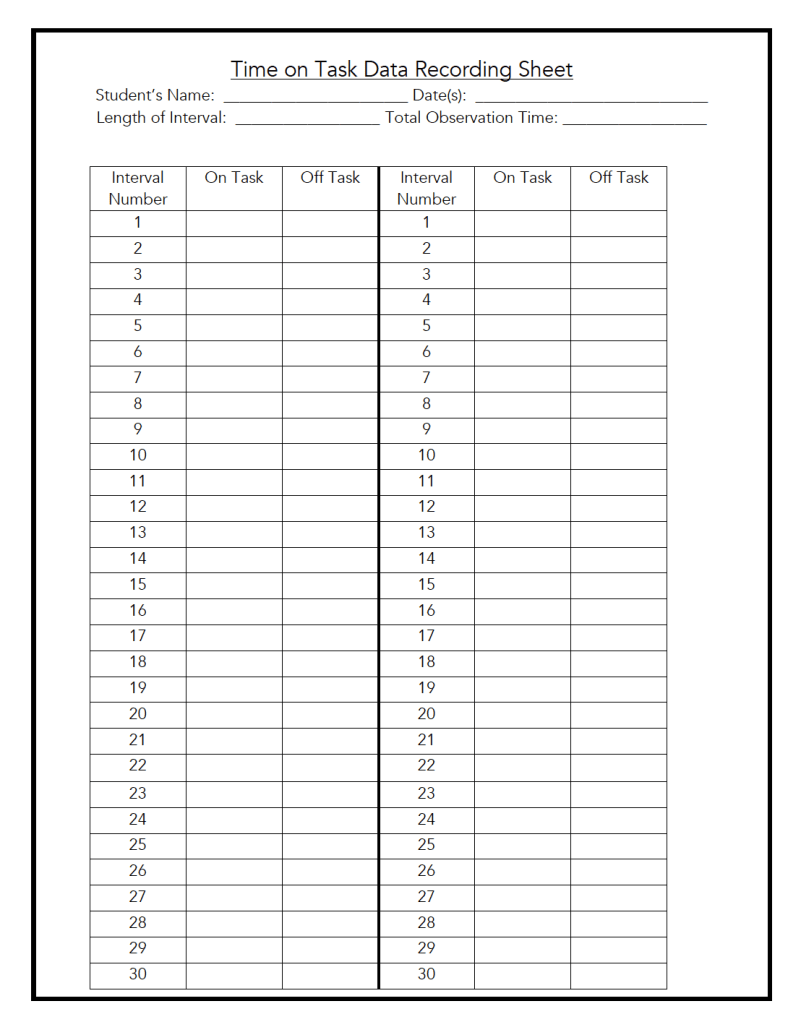
If a child struggles to be on task, start collecting the baseline with the Time on Task Datasheet. You can decide the length of the interval (e.g., 20 seconds, 60 seconds) first and observe a child can stay on task the whole time during the interval (whole interval). It’s to identify the baseline.





 Everyday Teaching Autism Resources
Leave a comment