

What is fine motor skills in early childhood
Fine motor skills and occupational therapy questions are one of many areas of teaching and learning in early childhood education. Young child enters a learning enviorment and naturally engages in simple arts and crafts activities which require various level of hand-eye coordination, finger manipulations(picking up, peeling, squeezing, pushing/pulling, etc), manipulating different learning tools like crayons, scissors, paper, glue, etc.
Develop fine motor skills
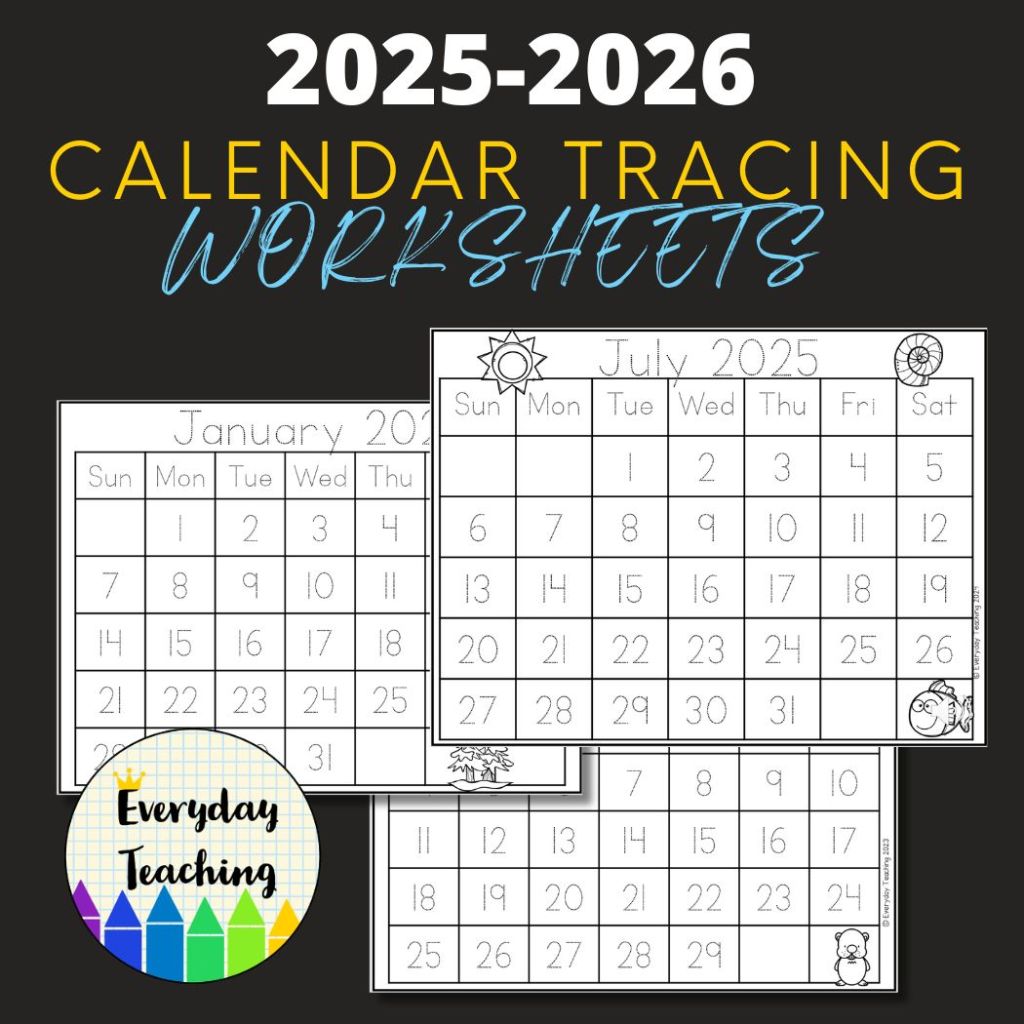
In an elementary level, I see many students continue to work on simple and somewhat complicated arts and crafts activities. Furthermore, they start to trace and write letters and numbers in small spaces. This rquires a lot of pracitce for any children. Many start with something thick (easy to grab) and short, and graudlly move onto the reqular pencil.
There are some fine motor skills writing activities curriculum(i.e., Hand Writing without Tears) out there the entire school may adopt for the students. In some cases, teachers should come up more individulaized ones to accomdoate different needs of students.
Fine Motor Skills for students with autism
In my special education classroom, many students are still struggling with this area of fine motor skills. In recent days, students have much more easy access to technologies, so there are more options to use when proudce a writing piece. It doesn’t have to be a pen and pencil. However, studenst continueously work on strengthing their fingers, isolating fingers and manipulating differnt tools to increase the qulaty of their lives.
In order to embedding the practice time in the classroom routine, I have utilized TEACCH stations and a number system. You can find more ideas from my previous post on How to Increase Fine Motor Skills.
Fine Motor Skills Activities
| Target Skills | Progressoin | |
| Playdoh, Putty | Sensory, hand/ finger strenghening | hide small beads or colorful manipulatives to pick out |
| Puzzle | hand-eye cooridination, visual performance | Start with put-in puzzles, ones with a frame, and without frames |
| Painting with brush, finger paint | Sensory, holding a brush | Start with free play , then complete a task to purposefully engage in painting |
| Coloring with Crayons, Markers, Color Pencils, | back and forth movement (side to side ), pressure check, staying in line | Monitor the pressure, and prompt to stay in line for controlling movement |
| Using tweezers | thumb and index finger isolation, pressing to open/close, picking up/relasing | For an advance version, make a cut on a tennis ball and squeeze open and close the ball activity, clothes pins |
| Holding a pencil | Finger positioning, strengths to hold a pencil for a longer period of time | start with short and thick pencil, trace lines/shapes/leters/numbers, copy them from model, produce with auditory cues |
| Daily Living SKills | independence, generalization | open and close packages, use a straw, use a cup, fork and spoon, use a knife to spread butter, pull up/down pants, put on/off shoes, |




 Everyday Teaching Autism Resources
Leave a comment