In the beginning of a new school year 👩🏻🏫, it is all about getting to know the students and helping them settle in their classes. For those who just transitioned to a new school and case manager (for students with IEPs), assessment is another big task for the teachers to complete in any time.
It can be a formal or informal assessment, like a pop quiz. I heard the testing schedule coordinated by a district level or school all the time. We may have to test on the specific subject areas as well. Like reading or math?
What about special education world?
I had to assess 5 new incoming students formally and informally since August this year, and several 3 year evaluations(so called triennial IEP) are around the corner. As always, assessment of special education students is a hot topic. There is no single “one size fit all” solution in this domain. As each student is unique, so are his/her skill levels in special education.
When I think about types of assessment for Special Education or autism population, I am highly recommending to explore/adapt several tools available for each child. 🌈🌏
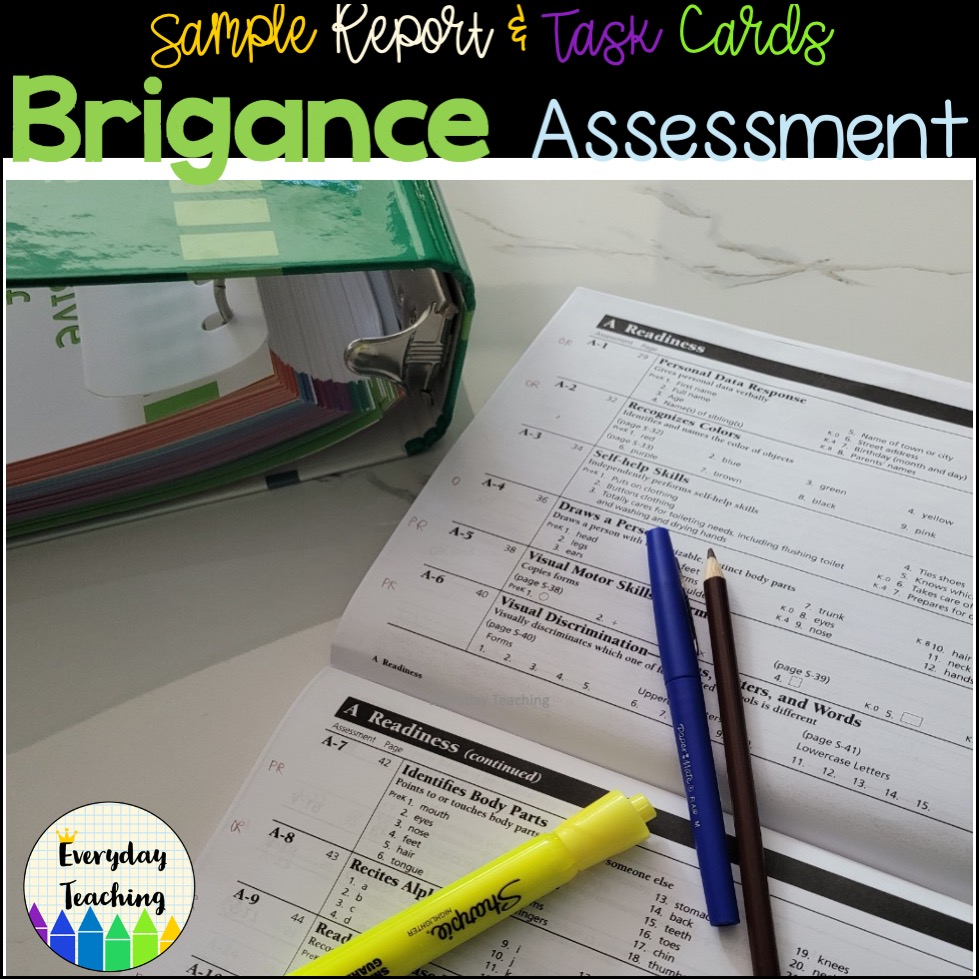
Our school team often use WIAT3 and Brigance to measure academics.
Since most of my students are still young and developing pre-academics or school readiness skills, I get to use Brigance CIBS 2 and ABLLS-R. They both are criterion referenced measures, which means these tools are developed to measure a student’s performance compared to specific educational/skill based objectives. This will provide information on the specific skills a student has learned and goals/objectives the student has mastered or can work toward.
BRIGANCE series have been around in the special education world for a long time and it has been evolved to accomodate the unique needs in the assessment for early childhood as well.





 Everyday Teaching Autism Resources
Leave a comment